

The expansion of EV charging infrastructure in Europe
The transition to electric mobility is transforming parts of the car market. In 2025, European EV sales surged by 29.7%, accelerating the shift away from internal combustion engines. Yet, as adoption grows, so does the need for reliable, scalable, and intelligent charging infrastructure.
Chargers, whether they are public or private, have an important role in the adoption of electric and electrified vehicles as their availability partially preconditions car purchases. Learn more about EV charging infrastructures below.
What does charging infrastructure encompass?
EV charging infrastructure covers the network of charging stations, digital platforms, and connectivity solutions that allow electric vehicles to recharge efficiently. This infrastructure plays an important role in ensuring drivers can power their vehicles conveniently, quickly, and reliably.
Charging stations vary in speed, power, and location, serving different needs depending on where and how they are used. Private chargers, typically found in homes, provide dedicated access for personal use. These are often slower AC chargers, ranging from 3 kW to 22 kW, making them ideal for overnight or daytime charging. In contrast, public chargers are accessible to all drivers and are commonly located in parking lots, streets, or highway service areas. They include both standard AC chargers and high-power DC fast chargers, offering flexibility for drivers who need to recharge while on the move.
The speed of charging is another key factor that defines the infrastructure. Slow charging, typically using AC power at 3-7 kW takes 6 to 12 hours to fully recharge a vehicle. Fast charging, operating at 7-22 kW reduces charging time to 4-6 hours. For drivers needing a quicker solution, rapid DC chargers (50-150 kW) can deliver 80% charge in just 20-40 minutes. The fastest option, ultra-fast DC charging (150-350+ kW), can reach an 80% charge in as little as 10-15 minutes.
To charge more easily, many EVs have a charging station map engrained in their systems that allows drivers to have a planned trip with corresponding stops. In addition, there are also apps available such as Chargemap, ABRP or Electromaps, to plan easily any journey.

Current state of EV charging in Europe
In 2025, Europe’s public charging network expanded by 20%, with some countries experiencing even more rapid growth. Denmark, Estonia, Latvia, Lithuania, and Romania saw their charging networks increase by over 50%, reflecting targeted investments in emerging markets. Meanwhile, the Netherlands, Germany, and France continue to lead with respectively 210,000, 196,000, and 185,000 public charging points. However, with an average of 11 EVs per public charger across the EU, the infrastructure is still playing catch-up with demand.
For used car professionals, the availability and reliability of charging infrastructure directly impact buyer confidence. While private charging at home or work remains the primary solution for most EV owners, the expansion of public and fast-charging networks is making electric vehicles more viable for long-distance travel. High-power charging providers like IONITY have grown their networks by 50%, ensuring that ultra-fast charging (150-350 kW) is becoming more accessible along major European routes. Additionally, companies such as Atlante and Electra have scaled their charging point offerings by 3.6 times since 2024, contributing to the over 500,000 new charging points added to the platform Chargemap between early 2024 and mid-2026.
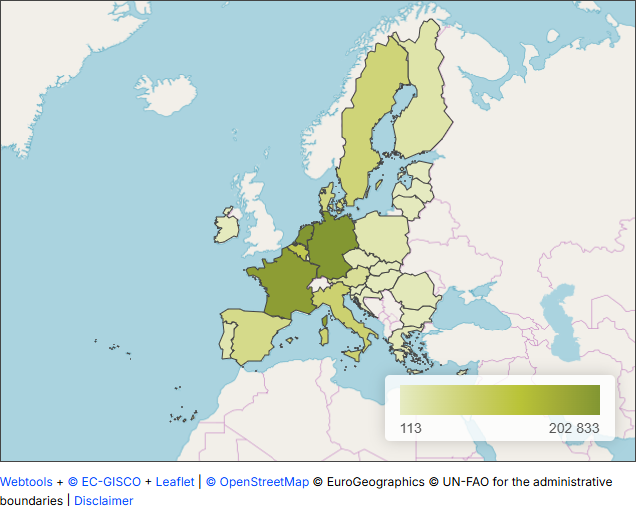
However, regional disparities in charging infrastructure remain a key consideration. Urban areas and Northern European countries generally offer better coverage and faster charging options, while rural and Eastern European regions may still face gaps in accessibility.
Used car professionals should emphasize charging solutions when marketing pre-owned EVs, particularly in areas where public infrastructure is less developed. Advising buyers on home charging installations can help mitigate concerns about public charging availability, while highlighting compatibility with fast-charging networks can enhance the appeal of used EVs for long-distance drivers. In addition, in certain countries, government incentives are available for the installation of home charging stations.
The fast development of charging infrastructure
The development of EV charging infrastructure in Europe is driven by technological innovation, private investment, and regulatory push to support electric mobility transition. One of the most significant advancements is the rapid expansion of ultra-fast charging networks, with 150-350 kW chargers becoming increasingly common along highways and in urban hubs.
Alongside this, Vehicle-to-Grid (V2G) technology is emerging, allowing EVs to not only draw power but also feed energy back into the grid during peak demand, transforming electric vehicles into mobile energy assets that can help compensate for higher demand.
Another major leap forward is the standardization of payment systems, addressing one of the biggest pain points for EV drivers.
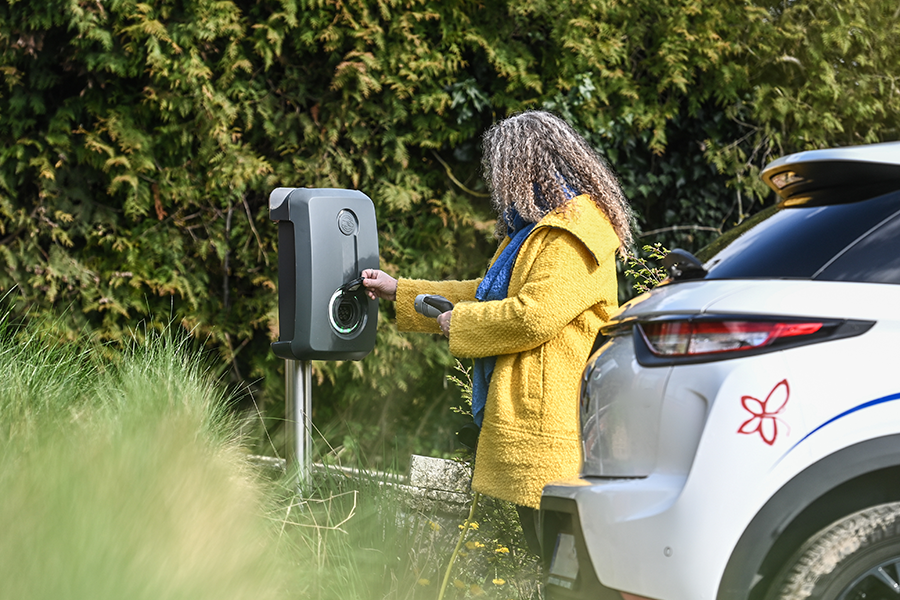
The growing adoption of Plug & Charge (ISO 15118) technology is simplifying the user experience by enabling automatic authentication and billing without the need for multiple apps or RFID cards. Meanwhile, e-roaming platforms are gaining traction, allowing drivers to access multiple charging networks with a single account, much like roaming agreements in mobile networks. This standardization is crucial for seamless cross-border travel and easing the charging experience.
Challenges for your customers
When purchasing a used electric vehicle, customers often face significant uncertainties related to charging infrastructure, which can impact their decision. One of the primary concerns is charging accessibility, particularly for buyers who lack private charging solutions at home or at work. While public charging networks are expanding, uneven distribution can create range anxiety, leaving buyers questioning whether they’ll have reliable access to charging when needed. Additionally, older used EVs may not be compatible with the latest ultra-fast charging standards, limiting their ability to take full advantage of newer, high-power charging stations and potentially increasing charging times during long trips.
Another challenge is the cost and complexity of installing home charging. Many used EV buyers may not have considered the upfront expenses associated with purchasing and installing a home wallbox, nor the potential need for electrical upgrades to support faster charging. For those relying on public charging, the variability in pricing, payment methods, and network reliability can be a deterrent, particularly if they’re transitioning from a traditional combustion vehicle. Used car professionals play a critical role in addressing these concerns by providing transparent information on battery condition, charging compatibility, and local infrastructure availability, while also guiding buyers toward cost-effective charging solutions that fit their lifestyle and driving habits.
Conclusion: the future of EV charging infrastructure in Europe
As Europe’s EV charging infrastructure continues to evolve, the used electric vehicle market presents both opportunities and challenges for buyers and professionals alike. While rapid advancements in ultra-fast charging, standardized payments, and smart energy solutions are making EVs more practical than ever, uneven infrastructure access and charging costs remain key considerations for used car customers. For professionals in the pre-owned market, transparency and expert guidance will be essential for building trust and for driving adoption.