
Our guide for electric used cars for dealers
The automotive industry is undergoing a significant transformation, with electric vehicles (EVs) rapidly becoming a more important player in the market. For used car dealers, this shift presents both opportunities and challenges. Understanding EVs and how to effectively sell and maintain them can give your dealership a competitive edge.
Yet, navigating this shift requires more than just awareness. Dealers who understand the nuances of EVs, from their unique selling points to maintenance requirements, can position themselves as trusted advisors in a rapidly changing industry. This guide is designed to equip you with the knowledge and tools to confidently integrate EVs into your inventory, enhance customer trust, and drive long-term success.
Whether you’re looking to expand your offerings or refine your approach, mastering the EV market today will set your dealership apart tomorrow.
Understanding electric vehicles
Electric vehicles operate using an electric motor powered by a high-capacity battery pack, marking a significant departure from traditional internal combustion engines. The vast majority of EVs rely on lithium-ion batteries, selected for their high energy density, efficiency, and durability. The battery’s capacity, measured in kilowatt-hours (kWh), determines the vehicle’s driving range, a critical factor for both dealers and customers when evaluating performance and suitability.
Two primary types of lithium-ion batteries dominate the EV market, each offering distinct advantages. NMC (nickel-manganese-cobalt) batteries are widely used for their ability to provide longer driving ranges, making them ideal for drivers prioritizing distance and performance. Meanwhile, LFP (lithium iron phosphate) batteries are gaining popularity due to their lower cost and enhanced safety, appealing to budget-conscious buyers without sacrificing reliability.
The electric motor of an EV converts stored electrical energy into mechanical power, in order to make the wheels go. Electric motors have a reputation for their high efficiency and ability to provide quick acceleration.
The charging system enables an external power source to recharge the battery. You can charge your electric car at home using a standard outlet, a home charger, or a public charging station. The charging speed varies with the power of the charger.
Types of electrified vehicles
Understanding the different types of electrified vehicles is essential for meeting diverse customer needs. Here are the main categories:
- Battery Electric Vehicles (BEVs): These are fully electric vehicles that run solely on electricity stored in their battery packs. Examples include Tesla Model 3, Nissan Leaf, and Renault Zoé. BEVs require regular charging.
- Plug-in Hybrid Electric Vehicles (PHEVs): These vehicles have both an electric motor and a gasoline engine. These cars can use electric power for short distances, typically 30-50 kilometers. After that, they switch to the gasoline engine for longer trips. Examples include Volvo XC40 and Hyundai Tucson.
- Hybrid Electric Vehicles (HEVs): Unlike PHEVs, HEVs cannot be plugged in to charge. They use both a gas engine and an electric motor. The battery is charged by capturing energy from braking and from the engine. HEVs offer better fuel efficiency than traditional ICE vehicles but still rely on gasoline. Examples include Toyota Prius and Renault Clio.
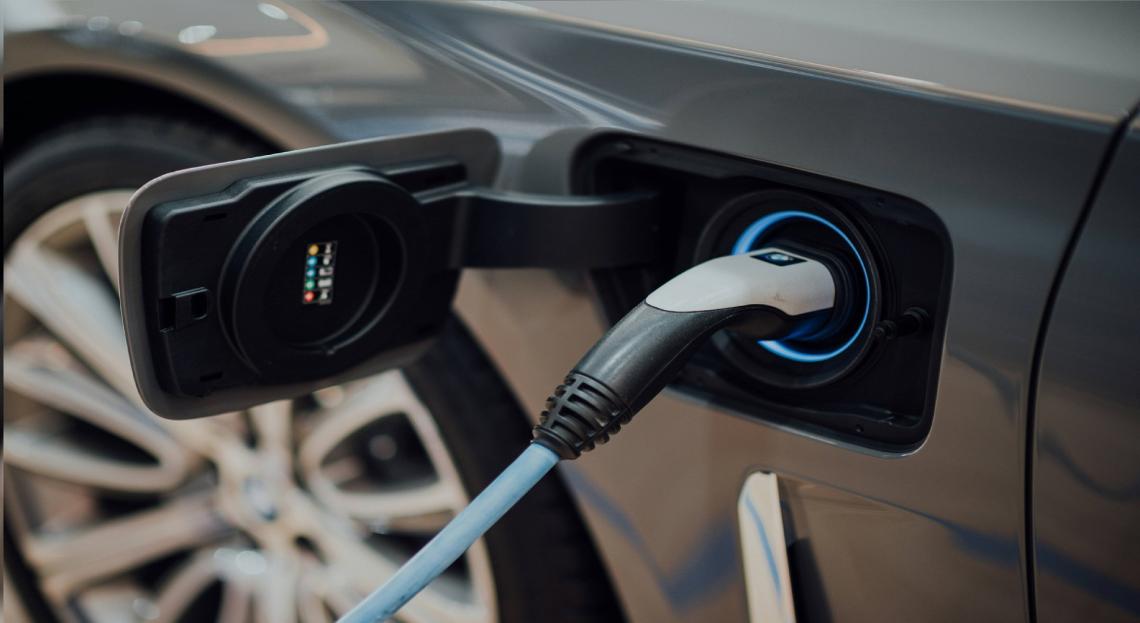
Other categories exist as some models are experimenting other forms of operating systems. It includes hydrogen fuel (FCEV), range-extended electric vehicles (REEVs) and vehicles equipped with solar panels. Those models are in earlier stages of development or less accessible to the overall population.
Stereotypes about EVs and how to answer to them
Switching from a petrol car to an electric one may require changes in daily routines. There are quite a few stereotypes surrounding EVs in general and its usage due to apprehensions and missing knowledge. Even so, there is a certain amount of interest and optimism regarding electric vehicles, thus it is important to deconstruct those stereotypes.
The first and most cited is the range. On average, electric vehicles have less range than their ICE counterparts. However, when you look at daily usage, the range is often more than enough thus justifying that you don’t need a massive range if you don’t drive hundreds of kilometers every day. This is the case for most commutes to work in Europe with an average between 19 and 40km a day. In addition, an EV can be a great second vehicle for a household to run errands, drop kids to school, etc…
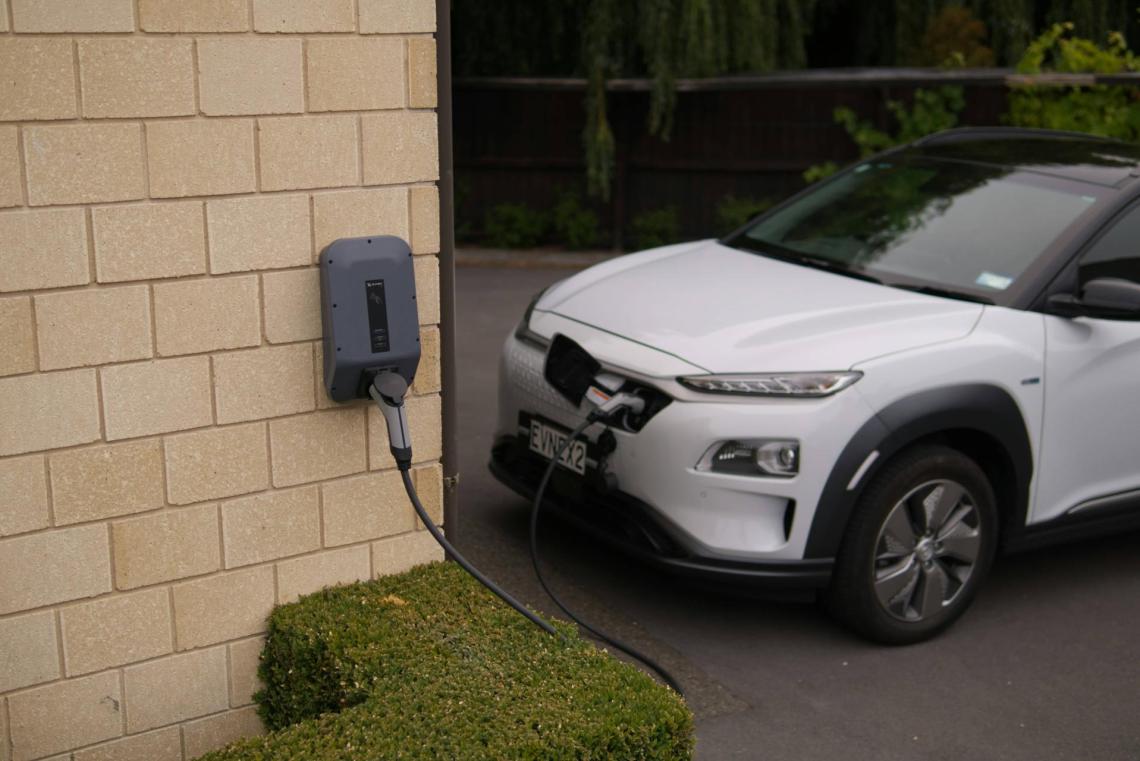
The second stereotype is that it takes too much time to charge or that it is too complicated to do so. Indeed, the overall public charging station present depends greatly on each city and country. As for personal charging stations, buildings have yet to adapt their parking spaces. But the infrastructure is developing quickly with 1.2 million charging stations in Europe in 2025 (+195k in one year) and the share of faster chargers is now of 43kW on average.
Another barrier to electrification is the price of the vehicles. On the global used car market, electric cars are often more expensive than their petrol counterparts, even if the gap is reducing over time and is smaller than the gap between new ICE and EVs. But if you look at the total cost of ownership (TCO), electric vehicles may be more expensive at purchase, but the lower cost of energy and fewer maintenances help compensate this first cost.
The last stereotype revolves around the battery as a part of the vehicles. The battery is one, if not the most expensive element of an EV so customers can be wary when purchasing a used EV. With State of Health certificates, you can reassure customers of the current health of the battery.
What arguments are appealing to your customers
Electric vehicles have many great arguments in their favor. First, electric engines deliver immediate torque, leading to rapid acceleration and a serene, noiseless driving experience. They also offer a low center of gravity, improving handling and stability.
Looking at the cost of the vehicles, in some countries, governments offer some help to purchase EVs, such as tax credits or rebates, but also access to carpool lanes. Help your customers understand the application process and how these incentives can benefit them financially.
Also, the total cost of ownership is a great tool to show your customers a global view of the different costs of an EV and to compare it with a similar ICE vehicle to help them make a more transparent choice. Emphasize the long-term savings on fuel and maintenance compared to traditional vehicles.
Educate potential buyers about the benefits and considerations of owning an EV. Offer learning materials, host EV workshops, and provide test drives to give customers a hands-on experience. Create FAQs and guides that address common questions and concerns about EV ownership. Provide information on home charging solutions as well. Educate customers on the availability of charging apps and networks that make finding charging stations easier. You can even help your customers by proposing at home charging solutions directly at your dealership.
Preparing Your Dealership for EVs
Successfully selling EVs involves understanding customer concerns and effectively communicating the benefits of electric mobility.
Integrating electric vehicles into your inventory requires some preparation and adaptation. Ensure your sales and service staff are knowledgeable about EV technology, benefits, and maintenance. Providing training on EV-specific features and charging infrastructure will enhance their ability to assist customers. You should also organize test drives for your team so that they can understand better how it feels to drive an electric vehicle. Testimonies are a great way to reassure customers.
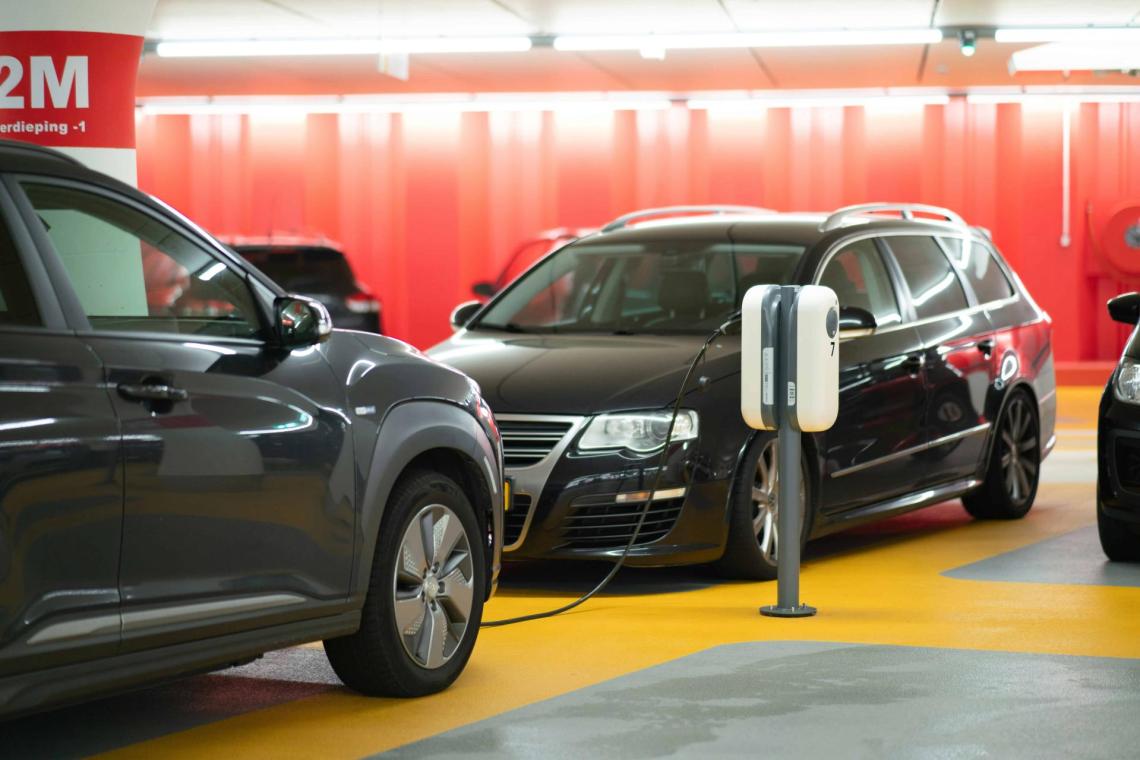
Install charging stations at your dealership to support EVs in your inventory and offer charging services to customers. This can also serve as a demonstration tool during sales. Consider offering different levels of charging, including Level 2 chargers for faster charging times.
Track the performance and health of EVs in your inventory, including battery life and charging history. This information is crucial for making informed purchasing and selling decisions. Use specialized software tools to monitor and manage EV inventory.
Conclusion
The rise of electric cars represents a significant opportunity for used car dealers to diversify their inventory and appeal to a growing market segment. This change in the market comes with a new typology of clients. Understanding the unique aspect of electric vehicles and an adaptation of your dealership operations with help you become an EV expert among your area.
Start purchasing electric vehicles today with Arval Trading. Register today and begin exploring our special lists dedicated to EVs.