

Fresh news about the electrified vehicles market
The European EV market is evolving at a fast pace, driven by technological improvements, changing consumer preferences and needs but also due to regulatory frameworks. As the transition to electrified vehicles continues within the European Union, staying informed of the latest news of this market is important.
In this article, we will provide an overview of the latest developments in the European EV market, including the state of health of EV batteries, new rules for EV subsidies, the dominating brands in the market, and the milestone of electric cars outselling traditional gasoline-powered vehicles for the first time.
EV State of Health
Arval has published a new analysis of 24,000 State of Health (SoH) certificates for electric vehicle batteries, confirming that batteries retain an excellent performance level over time, far beyond market perceptions and buyers' concerns. The results show that at 70,000 km, batteries display 93% remaining capacity on average, and at 160,000 km or after 6 years of use, the State of Health remains above 90%.
Additionally, new-generation vehicles show a slightly higher State of Health than older models, with degradation being slow and progressive, around 1% every 25,000 km. This analysis, based on data from 11 European countries, demonstrates that actual battery degradation is low, predictable, and far below common misconceptions. Arval's findings aim to remove barriers to buying used electric vehicles and accelerate the development of a more transparent and reliable market.
Source : Arval Mobility Observatory, Electric vehicle batteries: Arval confirms longevity beyond expectations
New rules for EV production in the EU
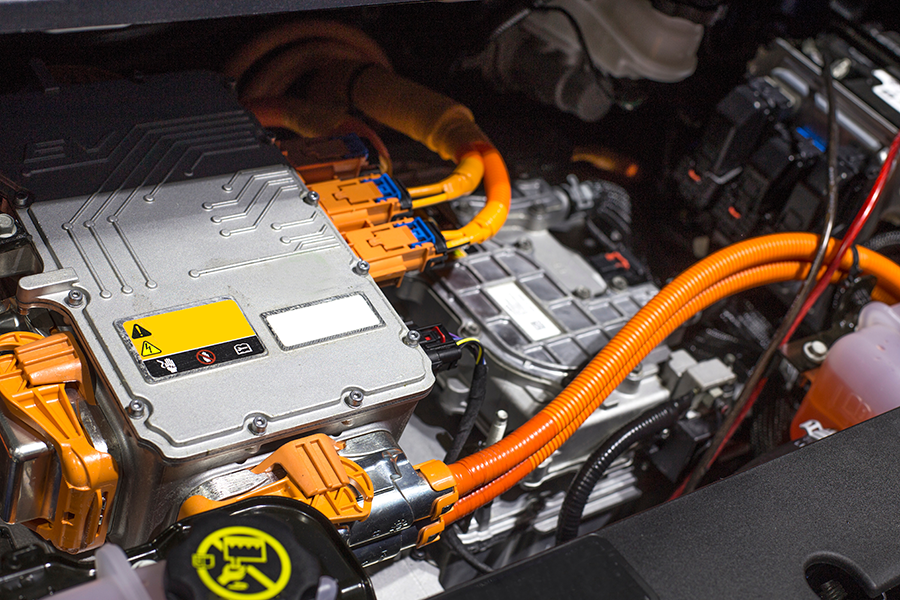
The European Commission is preparing legislation that would require electric vehicles to be assembled in the EU and source at least 70% of their components locally to qualify for state subsidies.
This move could pave the way for a formal 'Buy European' industrial policy, which has been called for by major carmakers such as Volkswagen and Stellantis. The proposed legislation aims to protect EU industries by requiring CO₂ emissions to be considered in public procurement processes, in response to pressure from cheaper Chinese competition and high energy prices.
The plan would tie state purchase incentives for new battery-electric, hybrid, and fuel cell vehicles to EU assembly, with at least 70% of non-battery components needing to be manufactured in the EU. However, some carmakers, such as BMW, have expressed concerns that these regulations could create unnecessary costs and bureaucracy, while others are calling for a more flexible 'Made in Europe' rule that extends beyond the EU to include production hubs such as Turkey and the UK. The EU Commission published the Industrial Accelerator Act early March.
Source : Electrive, EU Commission to tie EV subsidies to ‘Europe First’ rules
The dominating brands for EVs in 2025
The European electric vehicle market saw record-breaking growth in 2025, with 3,881,325 battery electric vehicles and PHEVs sold, a 31.3% increase from 2024. Volkswagen emerged as the top-selling EV brand in Europe, with an 86.8% rise to 426,325 units, for a market share of 11%.
The brand's success was driven by its ID range, including the ID.3, ID.4, and ID.7 models. BMW followed in second place, with a 15.6% improvement in sales to 337,298 units, and a market share of 8.7%. Mercedes-Benz took third place, with a 1.6% rise to 261,438 units, and a market share of 6.7%. Tesla, which had previously led the European EV market, saw a 27.1% decline in sales, and fell to fourth place. Other brands, such as Audi, Skoda, and BYD, also saw significant growth in EV sales in 2025.
The electric vehicles from these brands are the ones you can expect to hit the used car market in the next years.
Source : Autovista24, Which brand dominated the European EV market in 2025?
More electric cars sold than gasoline vehicles
For the first time, electric vehicles have outsold traditional gasoline-powered passenger cars in Europe, with over 300,000 electric cars registered in December 2025.
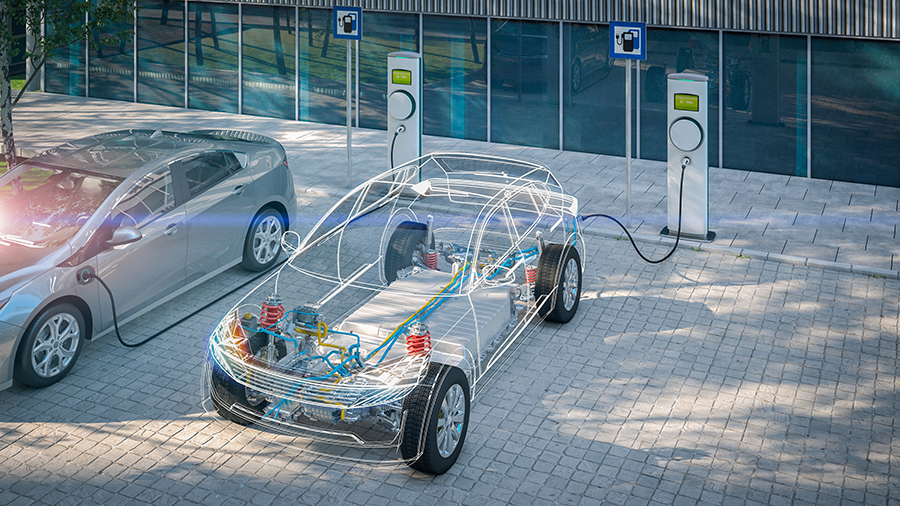
This milestone marks a significant shift in the region's automotive hierarchy, with electric vehicles gaining popularity amid renewed debate over the European Union's 2035 internal combustion engine ban.
The number of electric vehicles registered in the EU, UK, and EFTA nations increased by over 50% from the previous year, with 308,955 new fully electric vehicles hitting the roads in December. Hybrid technology still leads overall, but is losing ground quickly, with electric vehicles growing nearly ten times faster. In contrast, combustion models continue to decline, with gasoline cars recording a nearly 20% drop in new registrations and diesel models sliding by 23.1% year-over-year.
The data suggests that the market may reach a point where internal combustion engines are phased out long before legislation requires it, with European consumers registering almost 2.6 million battery-electric vehicles in 2025, up 29.7% from the previous year.
Source : Techspot, Electric cars outsold gas vehicles in Europe for the first time
Conclusion
In conclusion, the European EV market is poised for continued growth and expansion, driven by improving technology, increasing consumer demand, and supportive regulatory policies.
The milestone of electric cars outselling traditional gasoline-powered vehicles for the first time is a significant indicator of the market's shift towards electrification, and it is likely that this trend will continue in the coming years. With many new models and technologies being introduced in 2026, the European EV market is sure to remain a dynamic and exciting space to watch.
Now is the time for you to start looking at electrified vehicles for your business. At Arval Trading, 35% of our offer is composed of electrified vehicles. Register today and get access to our online auction platform dedicated to used car professionals.